%2Ffit-in%2F250x250%2Fguide_websites%2F59247%2Fimages%2F1767676791367unnamed.jpg&w=1920&q=100)
/users/f1f461f2-e50a-4927-a9d1-7c851d6ddf1c/ratecard/488573199_1210579931072449_8411796257687504176_n-mr9wpqzb.jpg)
%2F300x300%2Fusers%2Ff1f461f2-e50a-4927-a9d1-7c851d6ddf1c%2Fratecard%2F488573199_1210579931072449_8411796257687504176_n-mr9wpqzb.jpg&w=256&q=75)
%2F300x300%2Fusers%2Ff1f461f2-e50a-4927-a9d1-7c851d6ddf1c%2Fimages%2Fbest-great-anglers-livingston-2426.jpg&w=256&q=75)
%2F300x300%2Fusers%2Ff1f461f2-e50a-4927-a9d1-7c851d6ddf1c%2Fimages%2Ffishing-adventure-tx-2510.jpg&w=256&q=75)
%2F300x300%2Fusers%2Ff1f461f2-e50a-4927-a9d1-7c851d6ddf1c%2Fimages%2Fwahoo-fish-catch-tx-2520.jpg&w=256&q=75)
%2F300x300%2Fusers%2Ff1f461f2-e50a-4927-a9d1-7c851d6ddf1c%2Fimages%2Ffishing-livingston-2531.jpg&w=256&q=75)
%2F300x300%2Fusers%2Ff1f461f2-e50a-4927-a9d1-7c851d6ddf1c%2Fimages%2Fwahoo-catch-tx-2531.jpg&w=256&q=75)
%2F300x300%2Fusers%2Ff1f461f2-e50a-4927-a9d1-7c851d6ddf1c%2Fimages%2Fbest-day-fishing-tx-2494.jpg&w=256&q=75)
%2F300x300%2Fusers%2Ff1f461f2-e50a-4927-a9d1-7c851d6ddf1c%2Fimages%2Ffantastic-fishing-texas-2410.jpg&w=256&q=75)
%2F300x300%2Fusers%2Ff1f461f2-e50a-4927-a9d1-7c851d6ddf1c%2Fimages%2Fbest-wahoo-fishing-tx-2572.jpg&w=256&q=75)
%2F300x300%2Fusers%2Ff1f461f2-e50a-4927-a9d1-7c851d6ddf1c%2Fimages%2Ffishing-fun-in-livingston-2550.jpg&w=256&q=75)
%2F300x300%2Fusers%2Ff1f461f2-e50a-4927-a9d1-7c851d6ddf1c%2Fimages%2Flivingston-fishing-best-great-2477.jpg&w=256&q=75)
5 Hour Lake Fishing Trip Livingston TX Big Dawg
 Lake Livingston
What you will be catching:
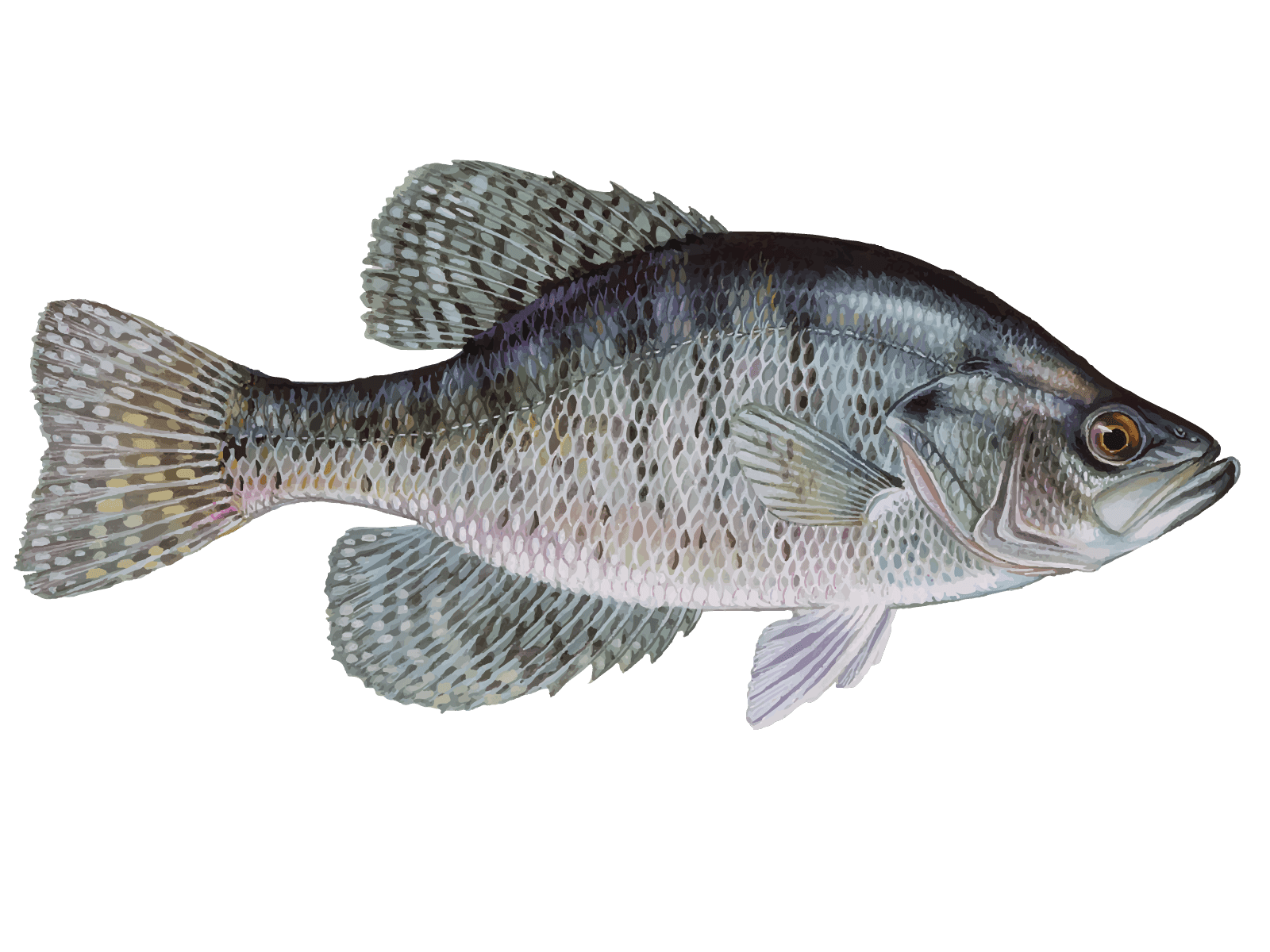
 Crappie
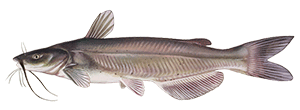 Flathead Catfish
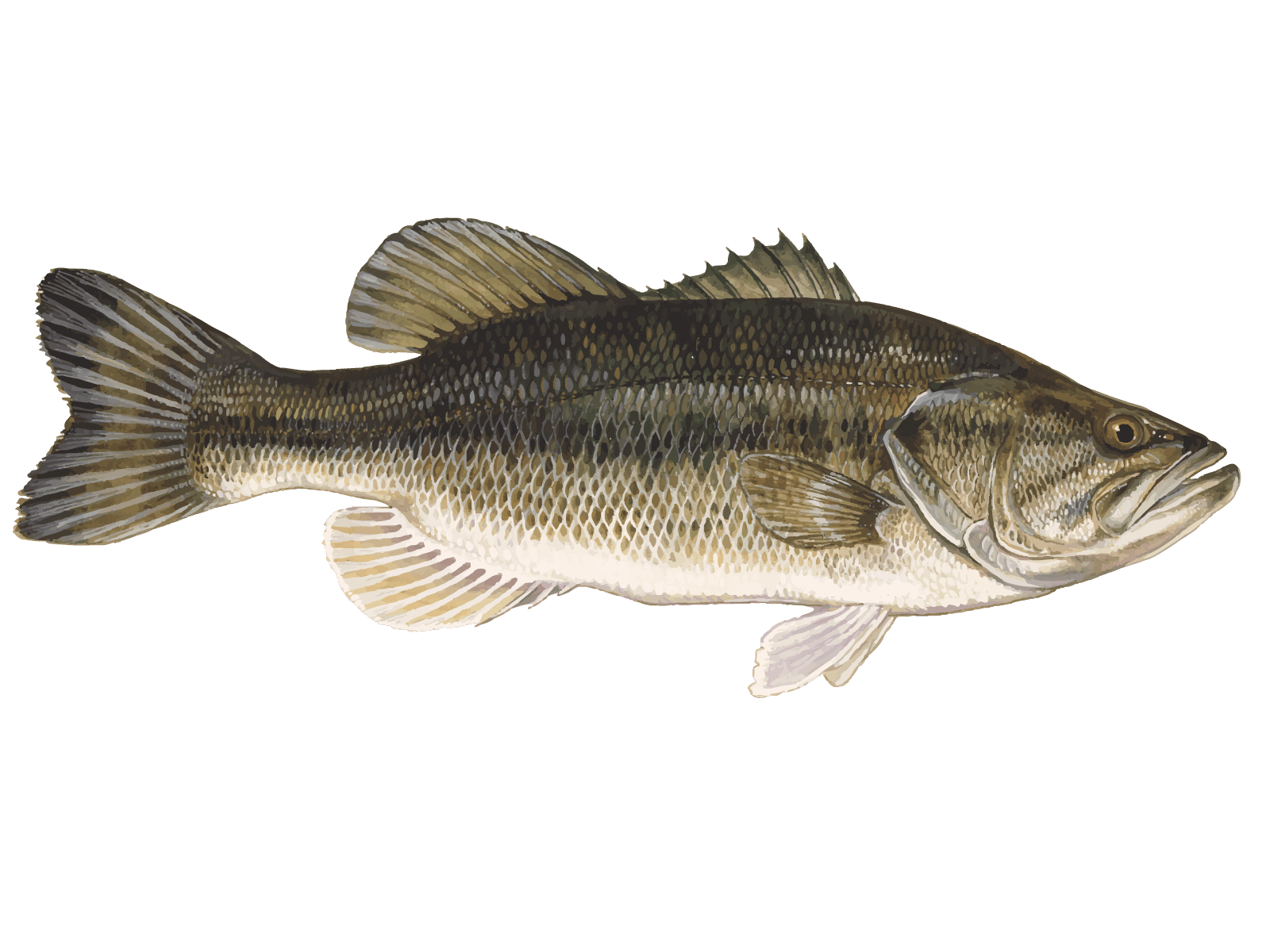
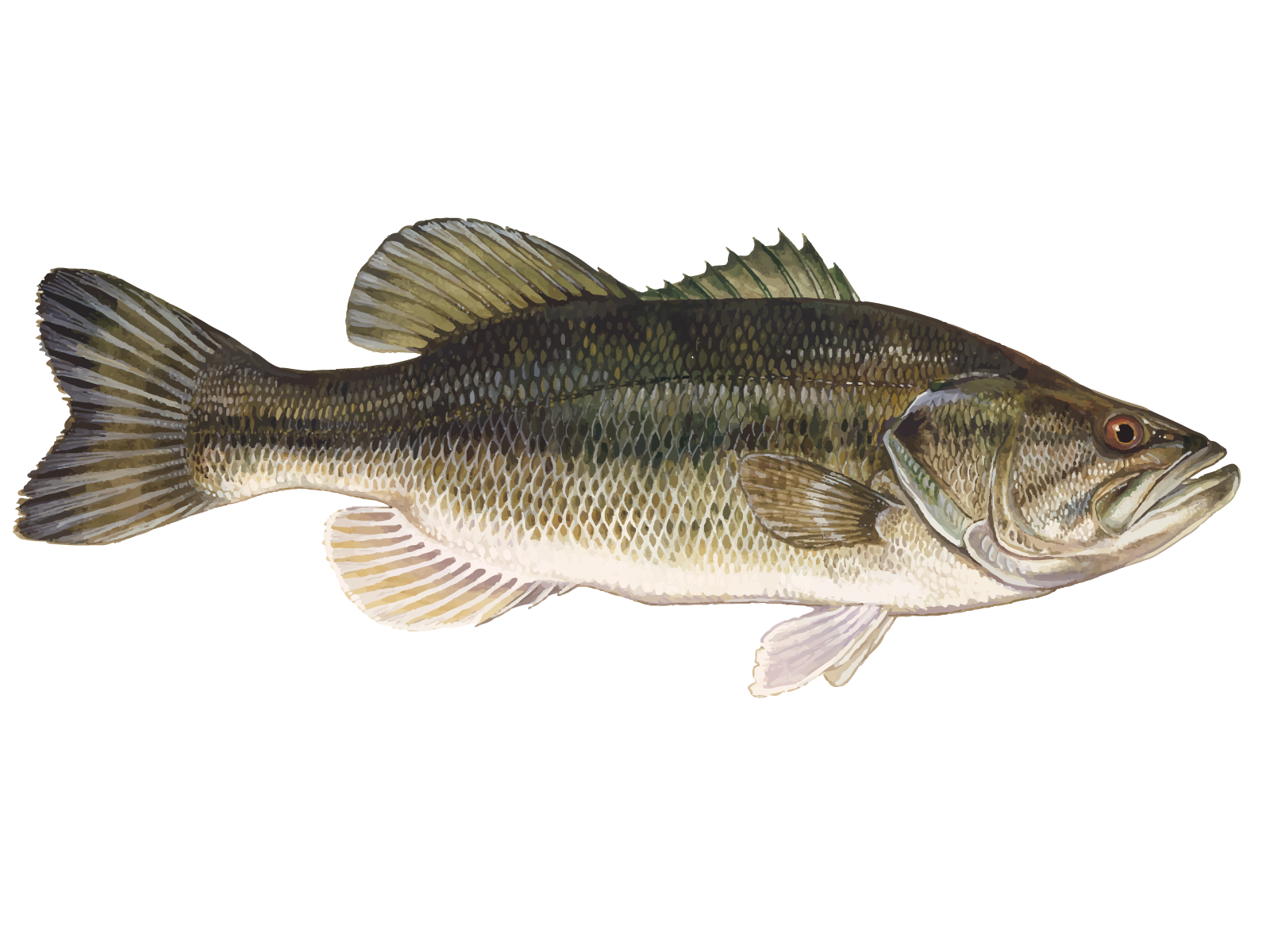 Largemouth Bass
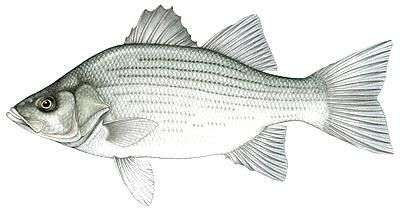
 White Bass
- Five-hour private fishing trip targeting four popular Texas species
- Expert local guide provides proven fishing locations and techniques
- Accommodates up to four anglers with comfortable boat spacing
Trip Pricing and Availabilities:
5 Hour Fishing Trip - Texas Lakes
Looking for a solid day on the water that'll have you coming back for more? Captain Scott's five-hour fishing adventure on Lake Livingston is exactly what you need. This isn't some rushed morning trip – you've got plenty of time to settle in, find the fish, and really make it count. With room for up to four people, it's perfect whether you're bringing the family out for their first real fishing experience or you and your buddies want to see who can land the biggest bass. Captain Scott knows these Texas waters like the back of his hand, and he's not shy about sharing the secrets that'll put fish in your boat.
What to Expect on the Water
From the moment you step aboard, Captain Scott sets the tone for a laid-back but productive day. Lake Livingston stretches over 90,000 acres of prime fishing real estate, and nearby lakes offer even more opportunities when conditions call for a change of scenery. This isn't about rushing from spot to spot – it's about reading the water, understanding what the fish are doing, and adapting your approach accordingly. You'll spend time learning why certain areas hold fish while others don't, and how factors like weather, water temperature, and time of day influence where you should be casting. The boat gives everyone plenty of elbow room to fish comfortably, so nobody's getting tangled up in each other's lines. Captain Scott provides the local knowledge that turns a good day into a great one, pointing out structure, explaining seasonal patterns, and helping you dial in the techniques that work best for each species you're targeting.
Techniques & Tackle
Captain Scott approaches each trip based on what's working right now, not what worked last month. Depending on the season and conditions, you might find yourself throwing spinnerbaits around submerged timber for largemouth bass, or dropping jigs into deeper structure where crappie are schooled up. White bass often mean switching to smaller lures and faster retrieves, especially when they're chasing shad in open water. For flathead catfish, it's a completely different game – live bait, heavier tackle, and a lot more patience. The captain keeps his gear well-maintained and matched to the fishing you'll be doing, so you're not fighting with equipment that's not up to the task. He'll walk you through each technique as you use it, explaining why certain presentations work better in specific situations. This hands-on approach means you're not just catching fish – you're learning skills you can use long after the trip ends.
Top Catches This Season
Largemouth bass are the main attraction here, and for good reason. Lake Livingston consistently produces quality fish, with plenty of 3-5 pounders and the real possibility of something even bigger. These bass love the lake's abundant cover – fallen trees, boat docks, and weed lines all hold fish throughout the year. Spring and fall are prime times when bass are most active, but summer and winter fishing can be just as productive if you know where to look. What makes catching them so satisfying is their fight – a good largemouth will jump, run, and do everything possible to throw your hook.
Crappie fishing on Lake Livingston is legendary among Texas anglers. These fish school up around structure, and when you find them, you can often catch several from the same spot. They're not huge fish, but they make up for size with numbers and taste. Spring is peak crappie season when they move shallow to spawn, but they can be caught year-round by adjusting your depth and presentation. There's something addictive about crappie fishing – once you dial in the pattern, it's hard to stop.
White bass provide some of the most exciting action you'll find on Texas lakes. When they're feeding on shad, the surface can look like it's boiling with fish. They hit hard, fight well for their size, and often travel in large schools. Summer and fall are prime times, especially early morning and late evening when they're actively chasing baitfish. The key is being ready when the action starts because it can be fast and furious.
Flathead catfish are the lake's heavyweights, and landing one is always a memorable experience. These fish can grow massive in Texas waters, and they're strong enough to test your drag and your patience. They're primarily night feeders, but can be caught during the day around deep structure. What makes flatheads special is their size potential – you never know when you might hook into a fish that'll become your new personal best.
Time to Book Your Spot
Five hours on Lake Livingston with Captain Scott gives you the perfect balance of relaxation and action. You're getting quality time on proven waters with a guide who genuinely wants you to succeed. Whether you're hoping to introduce kids to fishing, spend time with friends away from daily distractions, or simply enjoy a day doing what you love, this trip delivers. The combination of multiple species, beautiful Texas lake country, and expert local knowledge makes for a day you'll be talking about long after you're back on shore. Don't wait for the perfect weekend – the fish are biting now, and Captain Scott's calendar fills up fast during the best fishing periods.
Learn more about the species
Crappie
Both white and black crappie call Lake Livingston home, and they're some of the best eating fish you'll catch. These schooling fish run 7-12 inches and about a pound, with the blacks preferring clearer water while whites handle murkier conditions. Look for them around brush piles, fallen timber, and vegetation in 8-15 feet of water. Spring spawning season when water hits the low 60s is prime time, but dawn and dusk fishing produces year-round. Families love targeting crappie because they're not too aggressive for kids to handle, but they still provide steady action when you locate a school. The white, flaky meat is hard to beat on the dinner table. Pro tip: use small jigs or live minnows under a bobber near structure.
Flathead Catfish
These yellow-brown giants are the heavyweights of Lake Livingston, growing 3-4 feet and potentially over 100 pounds. Unlike other cats, flatheads want live bait - they prefer their meals still squirming. You'll find them in deep holes, around submerged timber, and near dam structures where the water stays cool and slow. Night fishing during warmer months is most productive, though they bite year-round. What draws anglers is the chance at a true monster fish - something that'll test your tackle and give you stories for years. The meat quality is considered superior to other catfish too. My go-to trick: use live bluegill or perch on a strong circle hook with at least 50-pound line. These fish don't mess around when they decide to eat.
Largemouth Bass
These green-backed fighters are what most folks think of when they picture Texas bass fishing. Running 12-24 inches and 1-4 pounds on average, they've got that famous huge mouth that opens well past their eyes. You'll find them hanging around structure - fallen trees, weed beds, and shallow cover where they can ambush prey. Spring and fall are prime time when they're most active, but they bite year-round in our Texas waters. What makes them special is that explosive strike and the way they jump when hooked - pure excitement on the end of your line. The meat's good eating too when handled right. Here's a local trick: try red lures or baits since largemouth are naturally attracted to that color.
White Bass
These silver-sided schoolers are pure action when you find them. Also called sand bass, they typically run 10-12 inches and can reach up to 7 pounds. Look for the dark horizontal stripes along their sides - that's your ID marker. They love open water and main lake points, often chasing bait to the surface in feeding frenzies. Spring and early summer are hot, especially during their spawning runs up tributaries. White bass are scrappy fighters that'll bend your rod and make runs, plus they travel in schools so catching one usually means more to follow. They're also excellent table fare with white, flaky meat. When you see birds working the surface, cast small spoons or spinners into the action - that's usually white bass busting bait.
About the 22ft Excel
%2F%2Fusers%2Ff1f461f2-e50a-4927-a9d1-7c851d6ddf1c%2Fvehicle_picture%2Fasdasd1-mr9jauq1.jpg&w=1920&q=75)
Vehicle Guest Capacity: 6
Manufacturer Name: Suzuki
Maximum Cruising Speed: 50
Number of Engines: 1
Horsepower per Engine: 175