%2Ffit-in%2F250x250%2Fguide_websites%2F59247%2Fimages%2F1767676791367unnamed.jpg&w=1200&q=100)
/users/f1f461f2-e50a-4927-a9d1-7c851d6ddf1c/ratecard/offshore-mk2279wj.jpg)
%2F300x300%2Fusers%2Ff1f461f2-e50a-4927-a9d1-7c851d6ddf1c%2Fratecard%2Foffshore-mk2279wj.jpg&w=256&q=75)
%2F300x300%2Fusers%2Ff1f461f2-e50a-4927-a9d1-7c851d6ddf1c%2Fimages%2Fbest-great-anglers-livingston-2426.jpg&w=256&q=75)
%2F300x300%2Fusers%2Ff1f461f2-e50a-4927-a9d1-7c851d6ddf1c%2Fimages%2Ffishing-adventure-tx-2510.jpg&w=256&q=75)
%2F300x300%2Fusers%2Ff1f461f2-e50a-4927-a9d1-7c851d6ddf1c%2Fimages%2Fwahoo-fish-catch-tx-2520.jpg&w=256&q=75)
%2F300x300%2Fusers%2Ff1f461f2-e50a-4927-a9d1-7c851d6ddf1c%2Fimages%2Ffishing-livingston-2531.jpg&w=256&q=75)
%2F300x300%2Fusers%2Ff1f461f2-e50a-4927-a9d1-7c851d6ddf1c%2Fimages%2Fwahoo-catch-tx-2531.jpg&w=256&q=75)
%2F300x300%2Fusers%2Ff1f461f2-e50a-4927-a9d1-7c851d6ddf1c%2Fimages%2Fbest-day-fishing-tx-2494.jpg&w=256&q=75)
%2F300x300%2Fusers%2Ff1f461f2-e50a-4927-a9d1-7c851d6ddf1c%2Fimages%2Ffantastic-fishing-texas-2410.jpg&w=256&q=75)
%2F300x300%2Fusers%2Ff1f461f2-e50a-4927-a9d1-7c851d6ddf1c%2Fimages%2Fbest-wahoo-fishing-tx-2572.jpg&w=256&q=75)
%2F300x300%2Fusers%2Ff1f461f2-e50a-4927-a9d1-7c851d6ddf1c%2Fimages%2Ffishing-fun-in-livingston-2550.jpg&w=256&q=75)
%2F300x300%2Fusers%2Ff1f461f2-e50a-4927-a9d1-7c851d6ddf1c%2Fimages%2Flivingston-fishing-best-great-2477.jpg&w=256&q=75)
Port O'Connor Offshore Fishing Big Dawg
 Lake Livingston
What you will be catching:
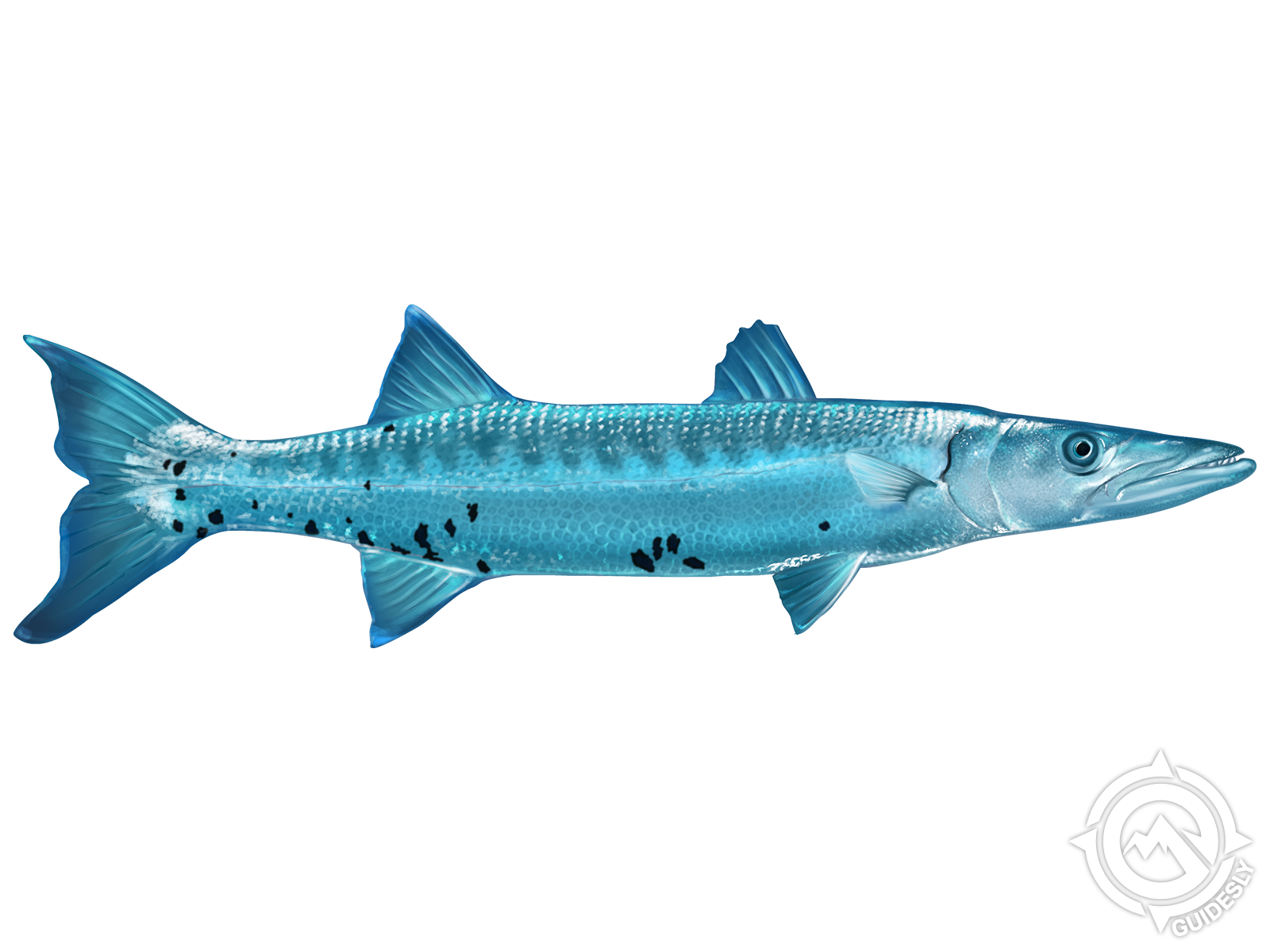 Barracuda
 Blacktip Shark
 Cobia
Cobia Mahi Mahi or Common Dolphinfish
 Red Snapper
- Full-day offshore charter targeting snapper, kingfish, cobia, and mahi
- Professional captain with federal permits and comprehensive gear provided
- Private 6-8 hour trips accommodate up to six guests maximum
Trip Pricing and Availabilities:
Trip pricing information is temporarily unavailable.
Full Day Offshore Fishing Trip in Port O'Connor
Captain Scott Pierce knows these East Texas waters like the back of his hand, and when you step aboard his Epic 22SC, you're in for a real treat. This isn't your typical half-day trip – we're talking 6 to 8 hours of serious offshore action targeting some of the Gulf's most prized game fish. With space for up to six anglers, this private charter gives your group the freedom to fish at your own pace without worrying about other parties. The $1,300 rate plus fuel and bait might seem steep at first glance, but when you break it down per person and factor in the quality of equipment, expert guidance, and federal permits for offshore waters, it's actually a solid deal for a top-rated experience.
What to Expect on the Water
Your day starts early at the Port O'Connor marina, where Captain Scott will have the Epic 22SC fueled up and ready to roll. This isn't some beat-up old boat – the 22SC is built for offshore work with plenty of room to move around and fight fish. The ride out to the fishing grounds takes about 45 minutes to an hour depending on conditions and where the fish are biting. Captain Scott holds all the necessary federal permits, so you'll be fishing legitimate offshore structure and natural reefs where the big boys hang out. The boat comes equipped with quality rods, reels, and tackle, plus all the safety gear you need for offshore work. Don't worry about bringing much beyond sunscreen, snacks, and drinks – though fair warning, no meals are included so pack accordingly for a long day.
Techniques & Offshore Tactics
Captain Scott runs a variety of techniques depending on what's biting and seasonal patterns. You'll likely do some bottom fishing over structure for snapper and cobia, plus some drift fishing and trolling for kings, mahi, and barracuda. The beauty of offshore fishing is the variety – one minute you're fighting a red snapper on the bottom, the next you've got a king mackerel screaming drag on a trolled bait. The boat's equipped with quality fish finders and GPS, so Captain Scott can put you on productive water fast. Circle hooks are the name of the game for snapper due to regulations, and he'll walk you through proper technique if you're not familiar. For the bigger predators like cobia and sharks, you might be throwing live bait or working jigs around structure. The learning curve isn't too steep, but listen to the captain's guidance – he's seen it all out there.
Species You'll Want to Hook
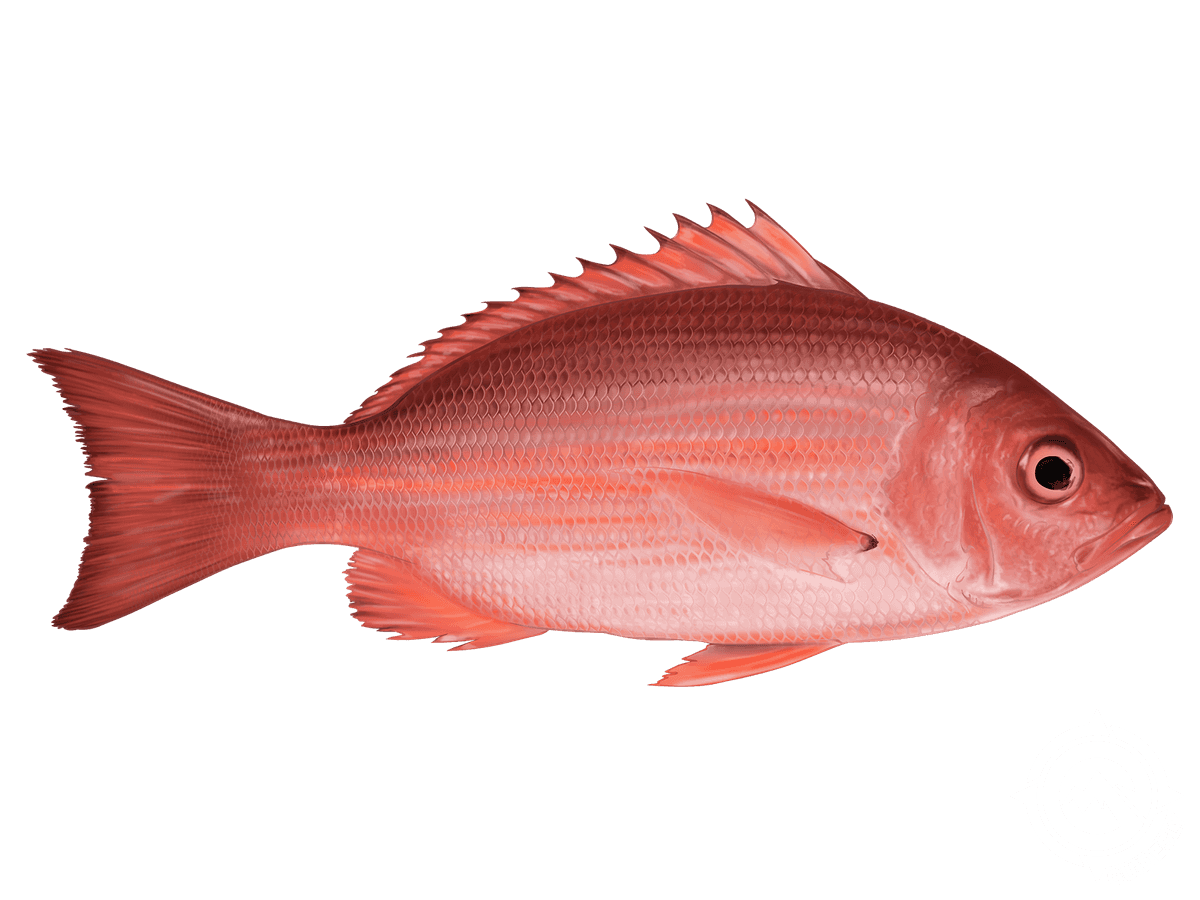
Red snapper are the bread and butter of offshore fishing in these waters, and for good reason. These guys fight hard and taste even better on the dinner table. Red snapper season typically runs summer through fall, and they love hanging around structure in 60 to 100 feet of water. They're not huge – most run 3 to 8 pounds – but they'll surprise you with how much fight they pack. The key is getting your bait down fast before the smaller fish steal it, and being ready for that classic snapper head shake.
King mackerel are the speed demons of the Gulf, and when one hits a trolled bait, you'll know it immediately. These fish can stretch 20 to 40 pounds and make blistering runs that'll test your drag system. Spring and fall are prime time for kings, and they love chasing bait schools around structure. Captain Scott will have you trolling live bait or spoons, and when a king hits, get ready for a fight that'll leave your arms burning.
Cobia are the wildcards that can make your whole trip. These brown sharks (not actually sharks) are curious fish that often approach the boat, giving you sight-fishing opportunities you won't find with other species. They fight like a freight train and can weigh anywhere from 20 to 50 pounds. Spring migration brings the best cobia action, and they're suckers for live bait worked around structure or even free-lined near the boat.
Blacktip sharks bring the excitement level up a notch with their acrobatic fights and spinning jumps. Don't expect huge fish – most blacktips run 20 to 60 pounds – but they make up for size with pure energy. They're around most of the year but seem most active during warmer months. Fighting a blacktip on appropriate tackle is a workout that'll have you grinning from ear to ear.
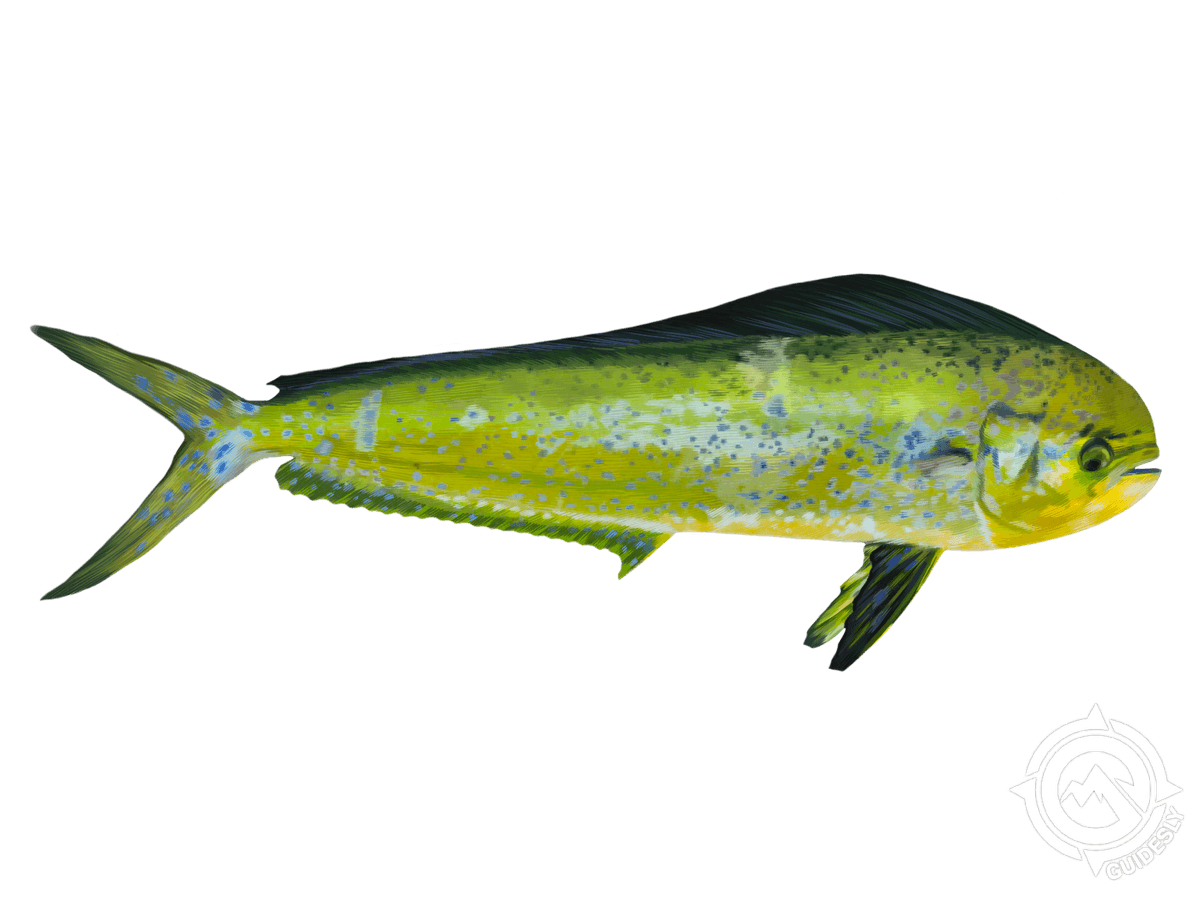
Mahi mahi are the most colorful fighters you'll encounter, with their brilliant yellows and greens that light up when they're fired up. Also called dolphinfish or dorado, these guys love floating structure and weed lines. They're not always around, but when you find a school, the action can be non-stop. Mahi are also fantastic eating, with white, flaky meat that's hard to beat fresh off the boat.
Barracuda are the opportunists of the offshore world, often showing up when you're targeting other species. They're built for speed with razor-sharp teeth and aggressive attitudes. Most barracuda you'll catch run 10 to 30 pounds, and they'll hit both live and artificial baits with authority. They're not the best eating fish, but the fight is memorable and they make for great photos before release.
Time to Book Your Spot
Captain Scott's operation stands out because he's not just running fishing trips – he's also offering lodging for up to six guests, which makes this perfect for groups traveling from out of town. Port O'Connor isn't exactly a major metropolitan area, so having accommodation sorted takes a lot of stress off trip planning. The combination of expert local knowledge, quality equipment, proper permits, and the convenience factor makes this a customer favorite for serious offshore fishing. Whether you're a seasoned angler looking to check some new species off your list or a group of friends wanting to experience world-class Gulf fishing, this trip delivers the goods. The 6 to 8 hour time
Learn more about the species
Barracuda
These torpedo-shaped predators are some of the most aggressive fish you'll hook in Gulf waters. Averaging 2-4 feet but capable of reaching 6 feet, barracuda are built for speed—they can hit 35 mph when chasing prey. You'll find them around structure, weed lines, and anywhere baitfish congregate, typically in 20-100 feet of water. They hunt by sight and love anything shiny, so silver spoons and flashy lures work great. Spring through fall gives you the best action when they're most active. What makes them special? That explosive strike and the way they jump and run when hooked. Plus, smaller ones make excellent table fare with firm, white meat. Pro tip: use a wire leader—those razor-sharp teeth will cut through mono in a heartbeat, and don't wear jewelry in the water around here.
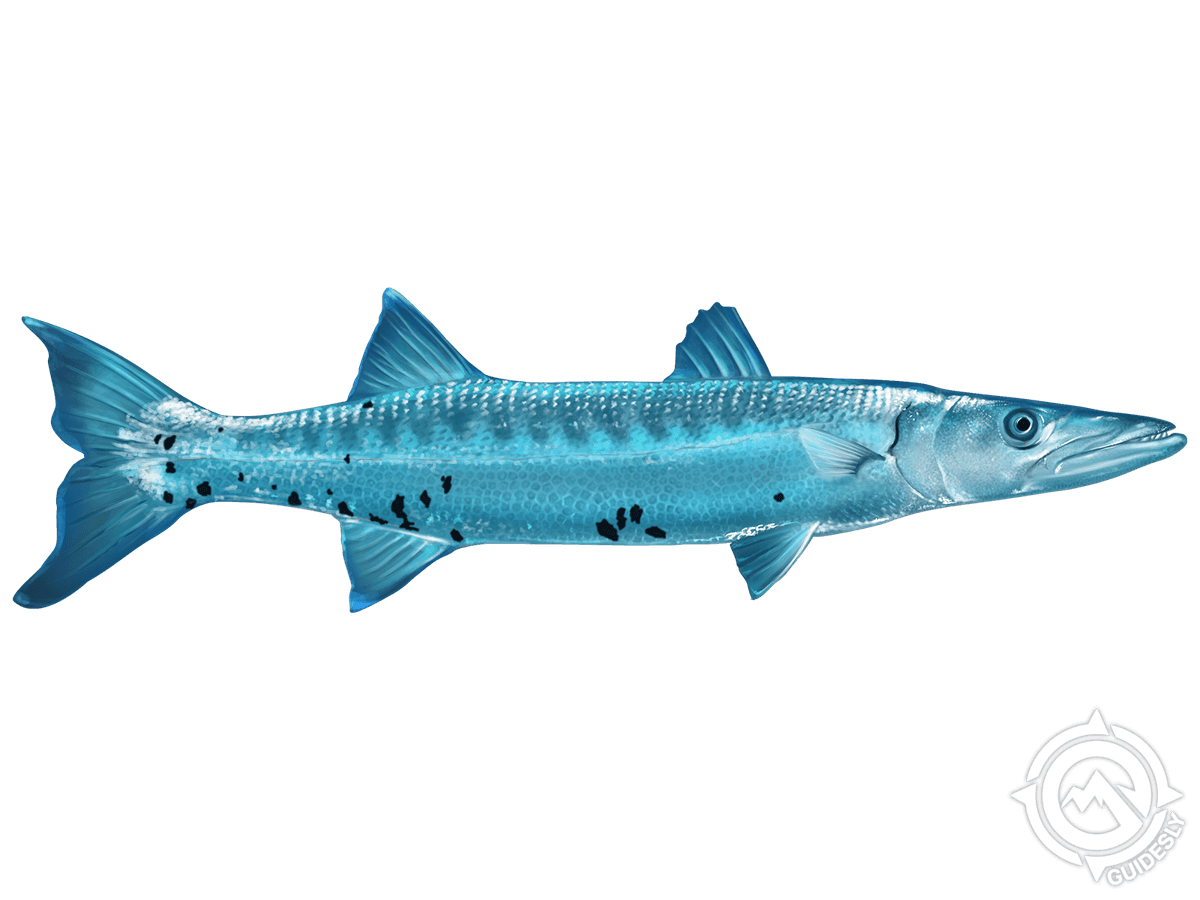
Blacktip Shark
Blacktips are the acrobats of the shark world, known for their spectacular jumps—they can launch 20+ feet out of the water. These sleek sharks average 4-5 feet but can reach up to 9 feet, easily recognized by those distinctive black-tipped fins. They cruise in 30-200 feet over muddy bottoms, around reefs, and near structure where they hunt for mackerel, herring, and croakers. Late spring through early fall offers the best action when they're most active in warmer water. What makes them exciting is their powerful runs and those amazing jumps that'll get everyone's attention. They're scrappy fighters that'll test your drag system. Here's the key: use heavy braided line, circle hooks, and get that chum going with oily fish like mackerel. Once you get them fired up, they can get pretty aggressive around the boat.
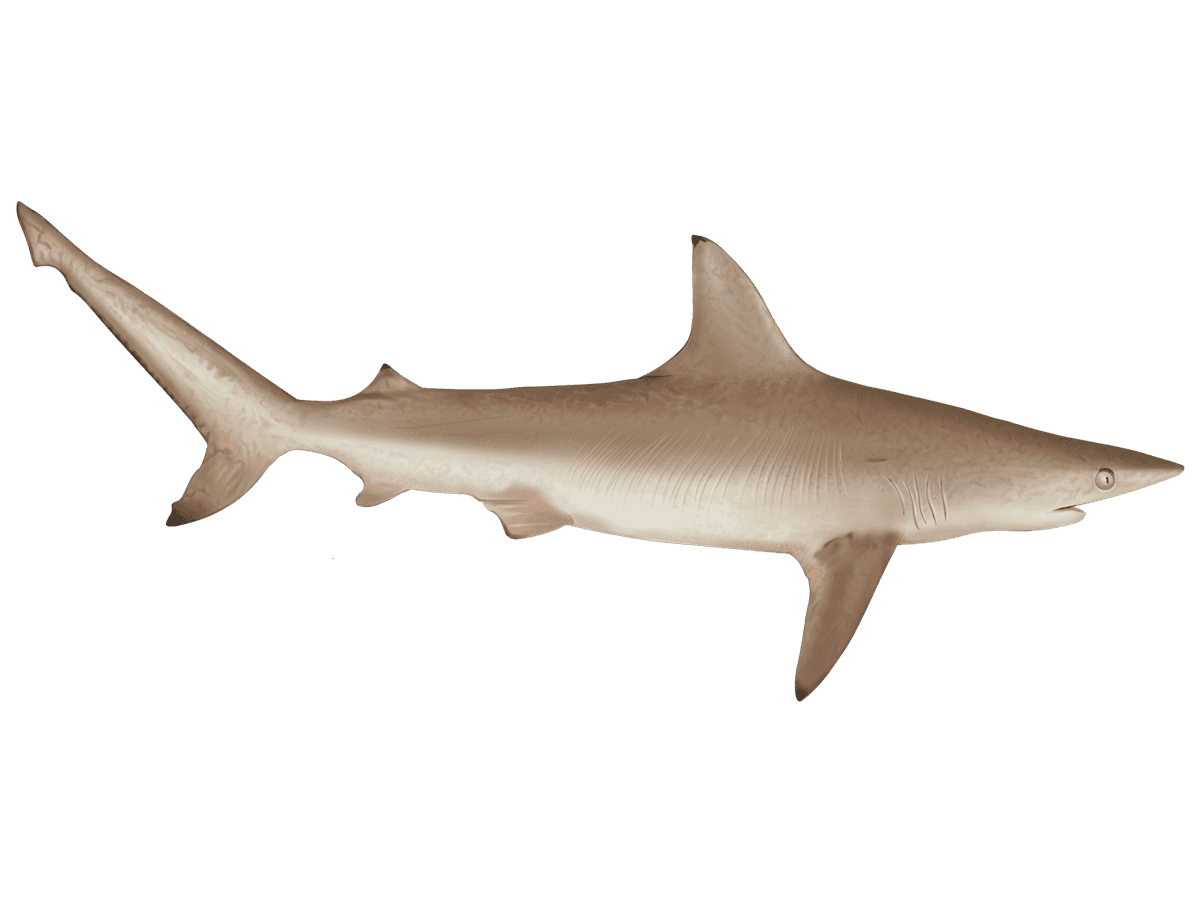
Cobia
Cobia are loners that look like sharks until you see that single dorsal fin and brown coloring with the white belly. These bruisers average around 30-50 pounds but can hit 100+ pounds and 6 feet long. They're curious fish that'll cruise up to check out the boat, often hanging around buoys, reefs, and structure in 30-200 feet of water. Spring and early summer during their spawning run is prime time, especially around here in the Gulf. What makes them special is that powerful fight and their world-class table fare—firm, white meat that's hard to beat. They're sight-fishing opportunities too, cruising just under the surface. My go-to setup is a bucktail jig in any color, 4-8 ounces depending on depth. These fish are curious, so if you spot one, be patient and work different lures until something triggers that strike.
Mahi Mahi or Common Dolphinfish
Mahi are the showstoppers of offshore fishing with their brilliant gold, green, and blue colors that flash like neon underwater. These fast-growing fish average 15-30 pounds but can reach 80+ pounds, living only about 4 years. Look for them around floating debris, weed lines, and current breaks in 100+ feet of water. They're surface dwellers that love warm water, so late spring through early fall is prime time. What guests love most is their acrobatic fight—they jump, tail-walk, and put on a real show. Plus, they're absolutely delicious with firm, mild white meat that's perfect for the grill. The key to landing them is keeping steady pressure; they have soft mouths that tear easily. Once you hook one, look for others nearby since they often travel in small schools around floating objects.
Red Snapper
Red snapper are the bread and butter of Gulf bottom fishing—those bright red beauties that fight hard and taste even better. They typically run 2-8 pounds inshore, but the big sows offshore can hit 20+ pounds and live over 20 years. You'll find them on hard bottom, reefs, rigs, and structure in 30-200 feet, though the bigger ones hang deeper. Summer months offer the best action during our federal season, usually June through July. What guests love is that solid thump when they bite and the bulldogging fight as they try to get back to structure. Plus, there's nothing better on the dinner table—mild, sweet, firm white meat. The trick is getting your bait to the bottom quickly before other fish grab it. Use heavy weights, circle hooks, and fresh bait like squid or cigar minnows. Keep steady pressure on them or they'll wrap you up in the structure.
About the Epic 22SC
%2F%2Fusers%2Ff1f461f2-e50a-4927-a9d1-7c851d6ddf1c%2Fvehicle_picture%2Fimage2-mk21deq4.jpeg&w=1200&q=75)
Vehicle Guest Capacity: 8
Manufacturer Name: Yamaha
Maximum Cruising Speed: 22
Number of Engines: 1
Horsepower per Engine: 200